

Rolfing as complementary care
Rolfing sits alongside your doctor or physiotherapist, not instead of them.
Complementary care is care you use next to your regular healthcare, not instead of it, and Rolfing is a hands-on method that works with your fascia in that way. I look at how your whole body moves and carries load, and I work alongside your doctor or physiotherapist, not in their place.
Does this sound familiar?
- You already see a GP or physiotherapist and want another view on how you move
- Complaints that have not settled with the care you have had so far
- You want a hands-on approach that looks at your whole body
- You are curious about Rolfing but unsure how it fits with your other care
- You want to know how complementary care differs from alternative medicine
What does complementary care mean?
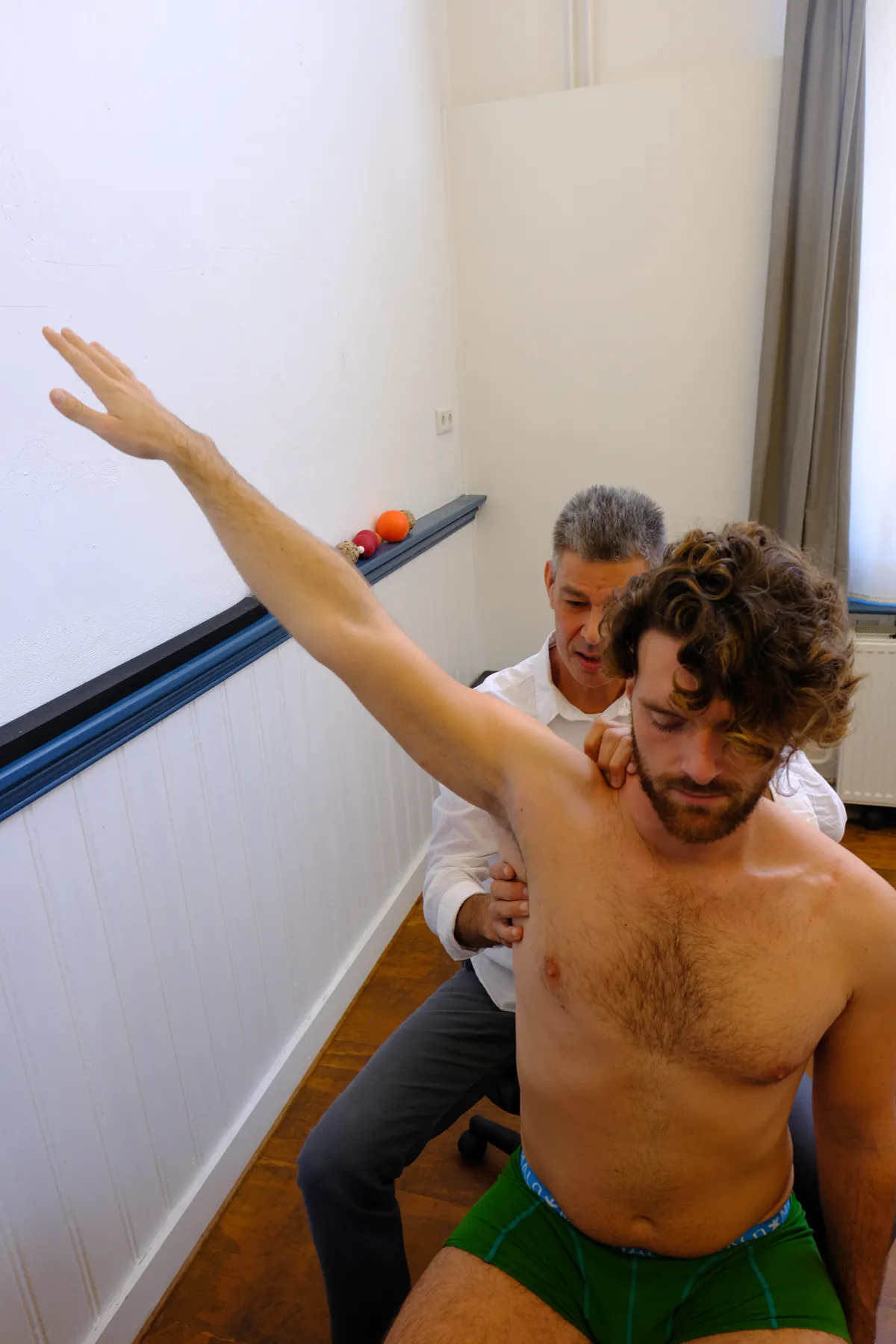
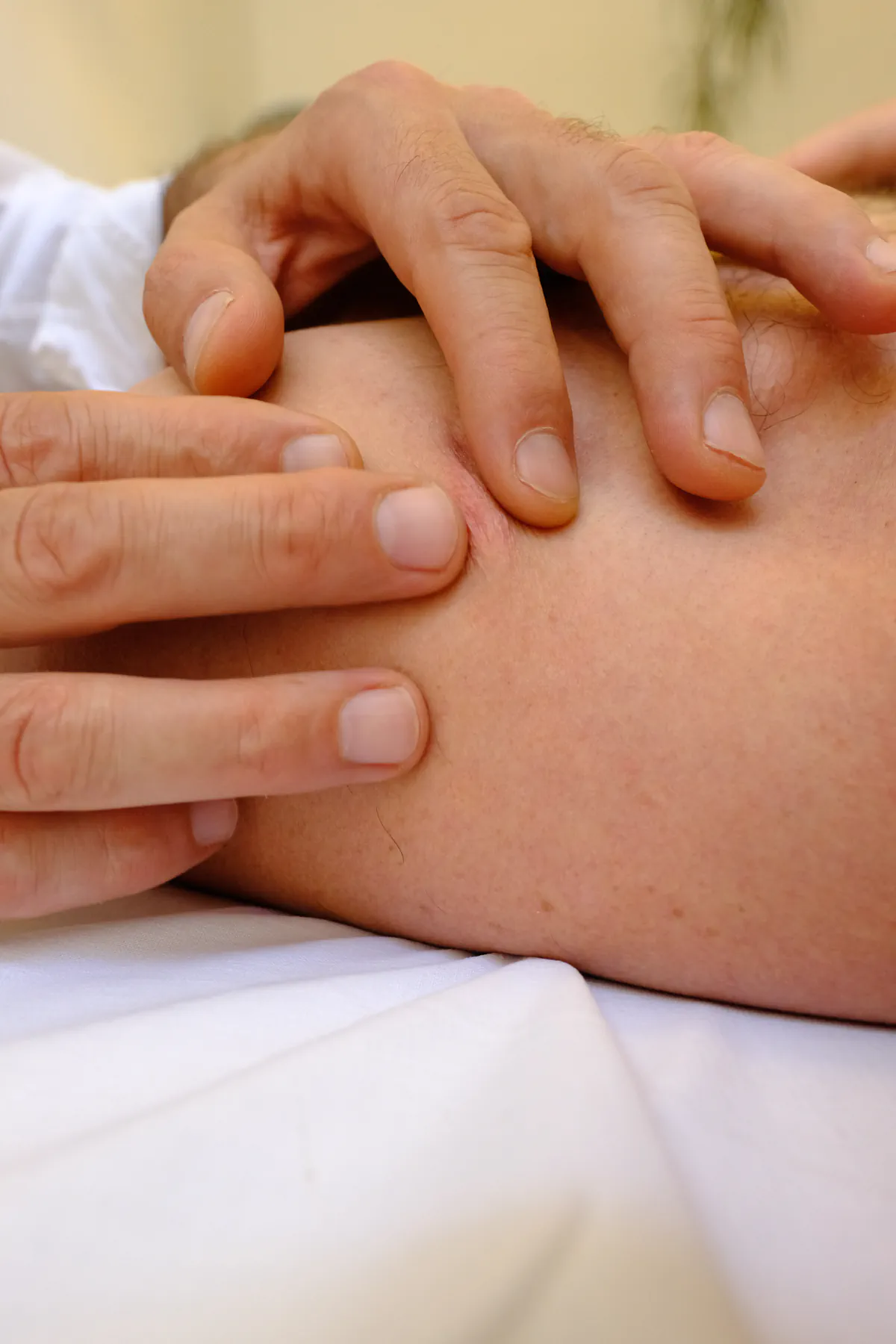
Complementary means in addition. You keep your doctor, physiotherapist or other care, and Rolfing is something you can add next to it. I do not diagnose, and I do not treat illness. In a session I look at how you stand and move, and work hands-on with your fascia.
I always ask what other care you have, so we can plan around it. Complementary care is one of the subjects I keep studying. You can see the courses in my education history.
Who comes for Rolfing as complementary care?
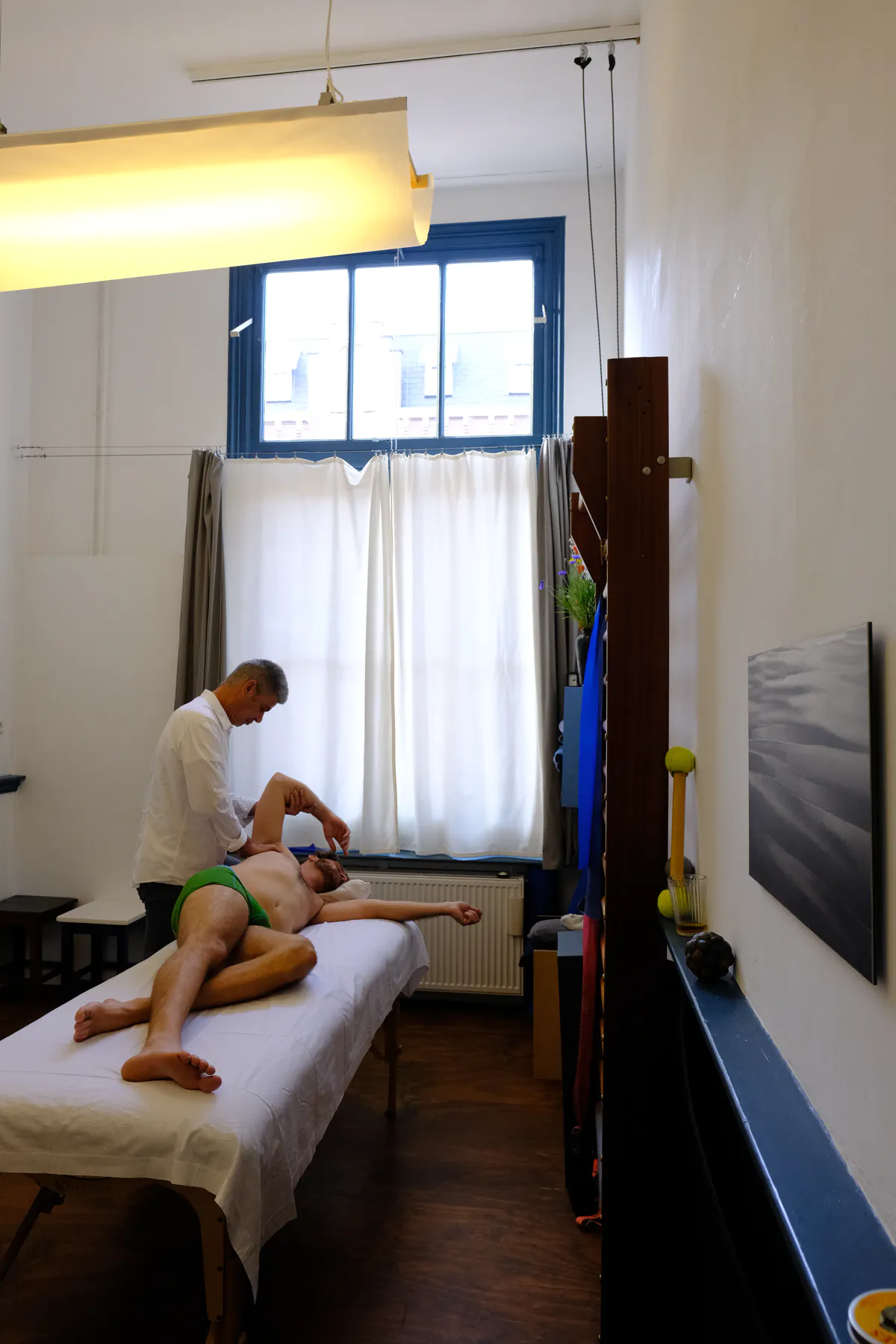
People of all ages, from 5 months to 86. Some come with a complaint, some after an injury, and others simply to understand their body better. Many already see a physiotherapist or another practitioner. You tell me what else you do, and we decide together what a session can add.


When should you see your doctor first?
Rolfing does not replace medical care. With a fresh injury, with pain you cannot explain, or if you have, or suspect, an illness, see your GP first. Rolfing can come later, alongside that care.
What a session looks like
Professional and personalised treatment
Years of experience and expertise
Individually tailored sessions


“It is incredible what the Rolfing treatment by Janco means for my body and mind. It is as if my body is taken out of its wrinkles, and I also stand differently on my legs. It is reconnecting and I would like to grant this valuable experience to everyone.”
L.


About Janco


"I think there are many lenses through which you can look at a person, or at a body; for example holistic, integrative, structural and functional; or the liquid body and the biomechanical body. This complexity makes it a bit more difficult to understand things, but also more interesting, and to me it is actually the only way that makes sense.
Structural Integration work is physical, but can also be psychological (history in the tissue, feeling in the past, becoming aware of emotional tension, stiffness and stress, and holding of breath).
Rolfing should feel good, relaxing, and releasing, and also have a wellness effect, next to reducing pain, and creating efficiency in a more integrated body.
The work should never feel painful, but sometimes can be on an edge."
Pricing
Adult
Child (under 16 years)


What is complementary care?
Complementary care is care you use in addition to regular healthcare, such as your GP or physiotherapist, not instead of it. Rolfing is one example: a hands-on method that looks at how your whole body moves and carries load.
Is Rolfing alternative medicine or a complementary therapy?
Rolfing is complementary, not alternative. I do not diagnose or treat illness, and it does not replace medical care. It sits alongside the care you already have.
Can I combine Rolfing with treatment from my doctor or physiotherapist?
Yes, many people do. Tell me what else you are doing, so we can plan around it. If your doctor or physiotherapist has given you advice, follow that.
Read more
Discover the gentle power of Rolfing
Book a session and find out how Rolfing works with your posture, movement and well-being.
Rolfing is complementary care, not medical treatment. If you have, or suspect, an illness, please see your doctor first.

